
What to See at the Blue Mosque
The top highlights and must-see experiences at the Blue Mosque — from 20,000 handmade Iznik tiles to the cascading dome system and six iconic minarets. Some visitors come for the dramatic interior tilework, others for the Ottoman architecture, the stained glass light, or the story behind the six minarets. Use this guide to choose what to prioritise based on your interests and time.
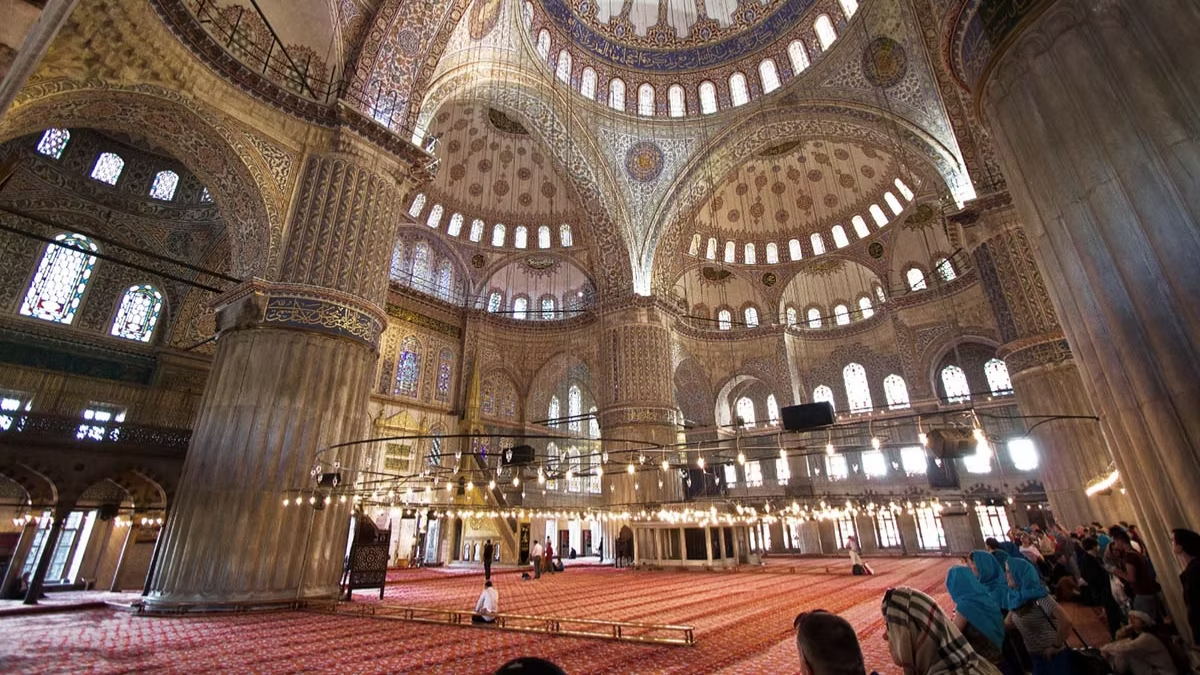
Top Highlights at the Blue Mosque
The headline sights and experiences most visitors want to see first.
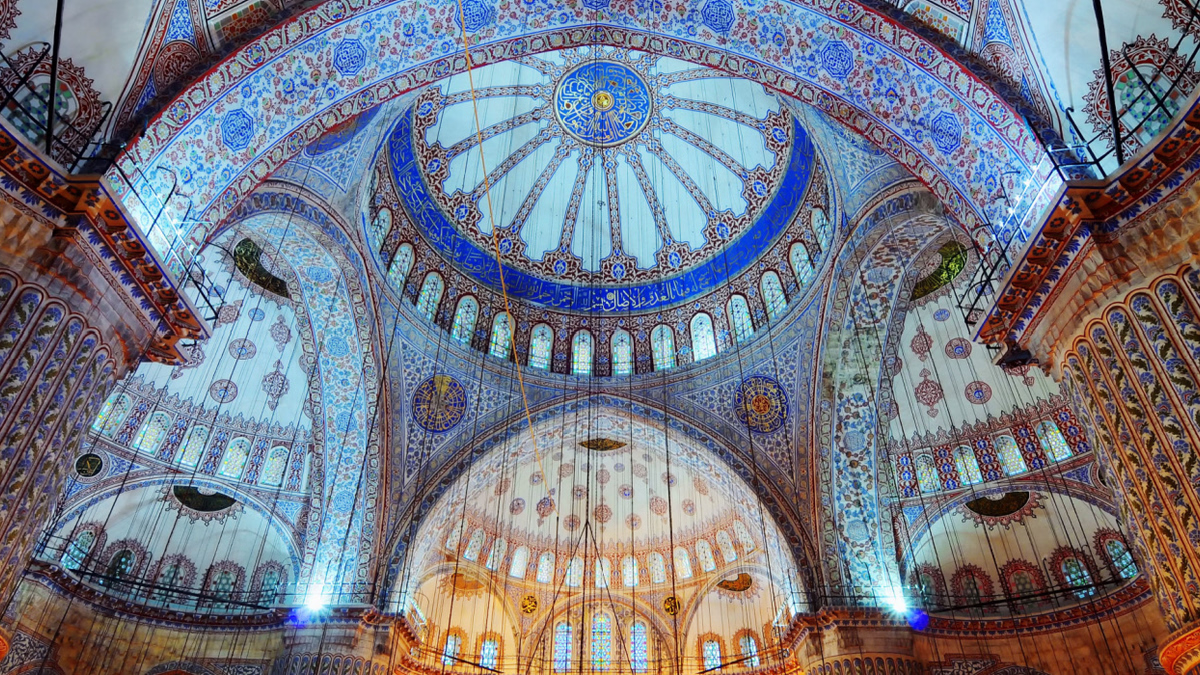
Blue Mosque Interior: Domes, Tiles & Calligraphy
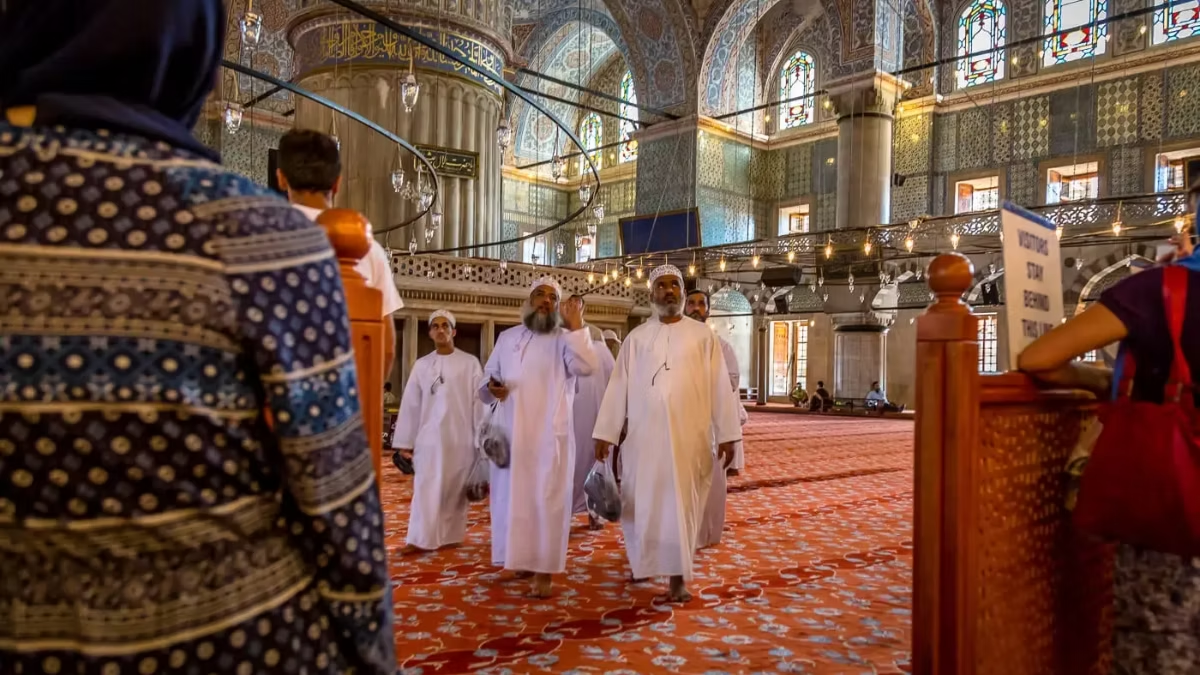
Over 20,000 handmade Iznik tiles in blue, green, and white create the mosque’s famous blue atmosphere, while Quranic calligraphy adorns the walls and domes. The cascading dome system draws the eye upward through layers of semi-domes to the central dome, creating a sense of infinite space. This is the single most breathtaking experience at the Blue Mosque and the reason most visitors arrive early for the best natural light.
Explore the Interior →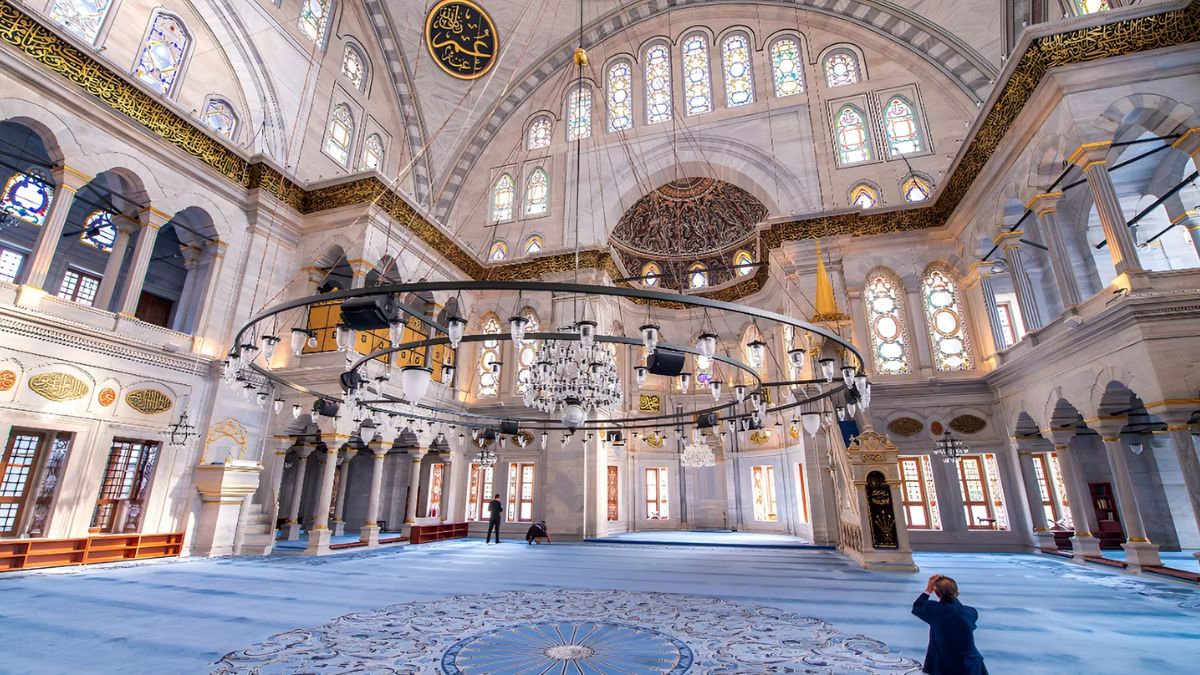
Blue Mosque Architecture: The Six Minarets & Grand Domes
The cascading dome system and six iconic minarets make the Blue Mosque one of the most recognisable silhouettes on Istanbul’s skyline. Sultan Ahmed I commissioned the unusual six minarets — initially controversial as only the mosque in Mecca had six at the time. The exterior is best viewed from Sultanahmet Square for the full architectural impact.
Explore the Architecture →Interior & Photography
Discover the Blue Mosque’s stunning interior features and the best ways to photograph them.
Blue Mosque Interior: Domes, Tiles & Calligraphy
Explore the 20,000 handmade Iznik tiles, cascading dome system, and Quranic calligraphy that define the Blue Mosque’s legendary interior atmosphere.
Know more →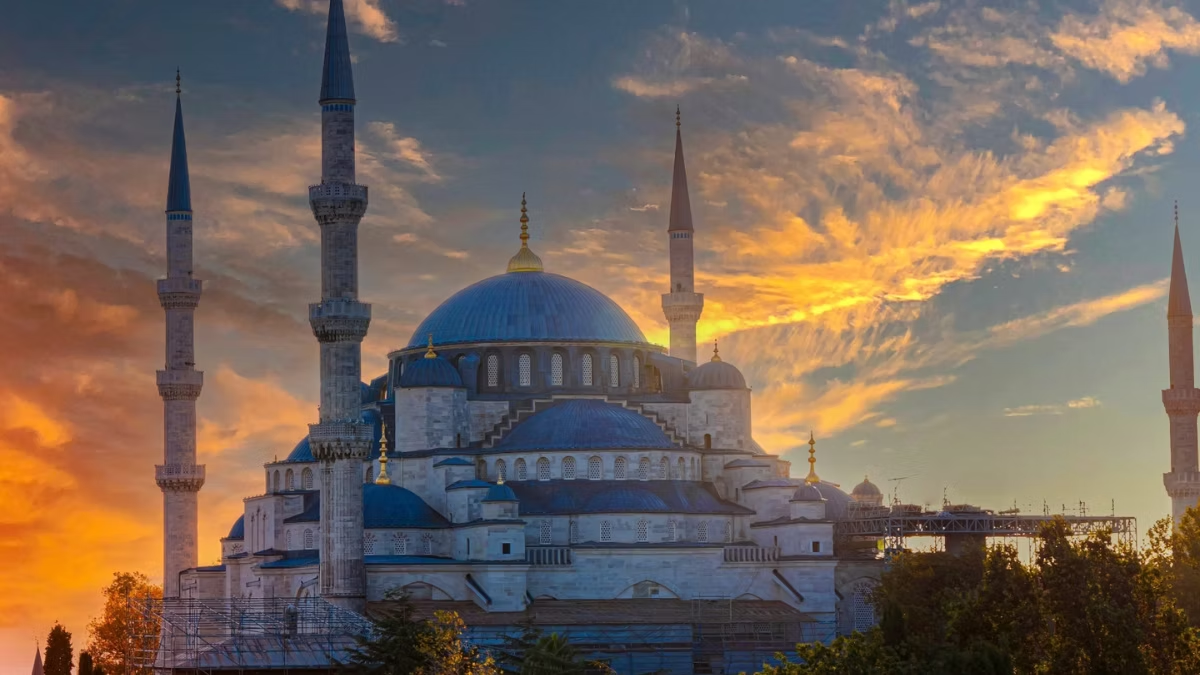
Blue Mosque Photo Guide: Best Spots & Lighting Tips
Find the best angles, lighting conditions, and times of day for stunning photographs of the Blue Mosque’s interior and exterior.
Know more →History and Photography
The story behind the building, the courtyard you’ll walk through first, and where to point the camera.
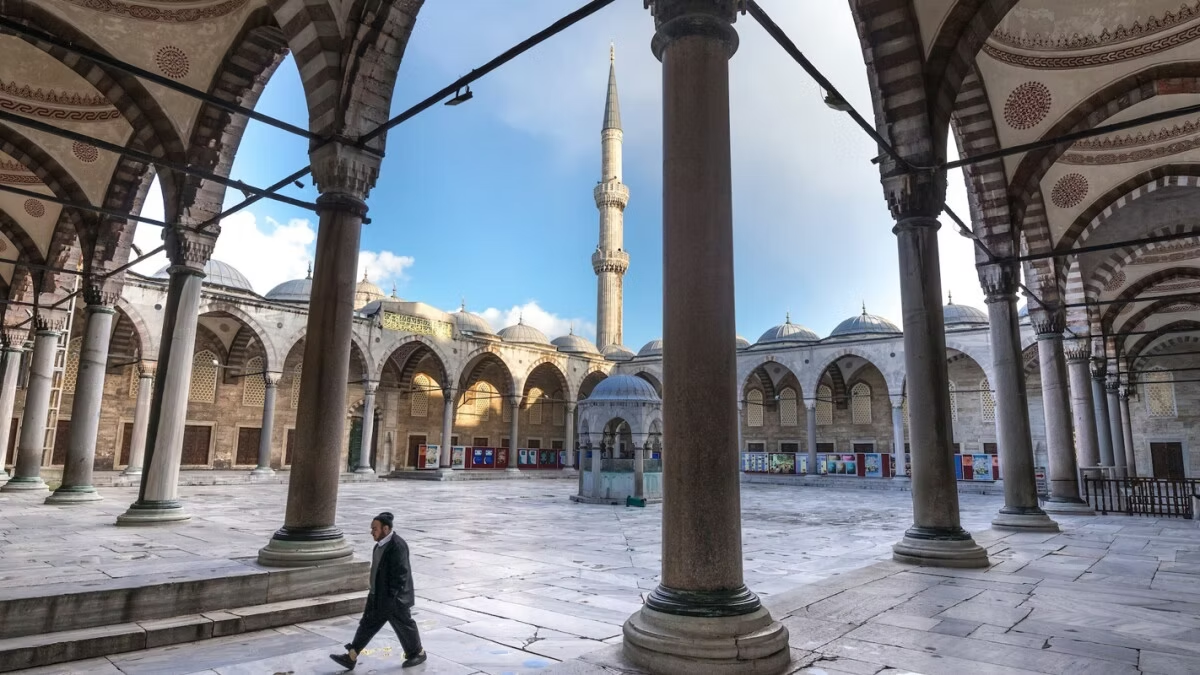
Courtyard & Exterior
The grand courtyard with its hexagonal ablution fountain and columned arcade is the serene prelude to the mosque interior — and the first thing every visitor walks through.
Read guide →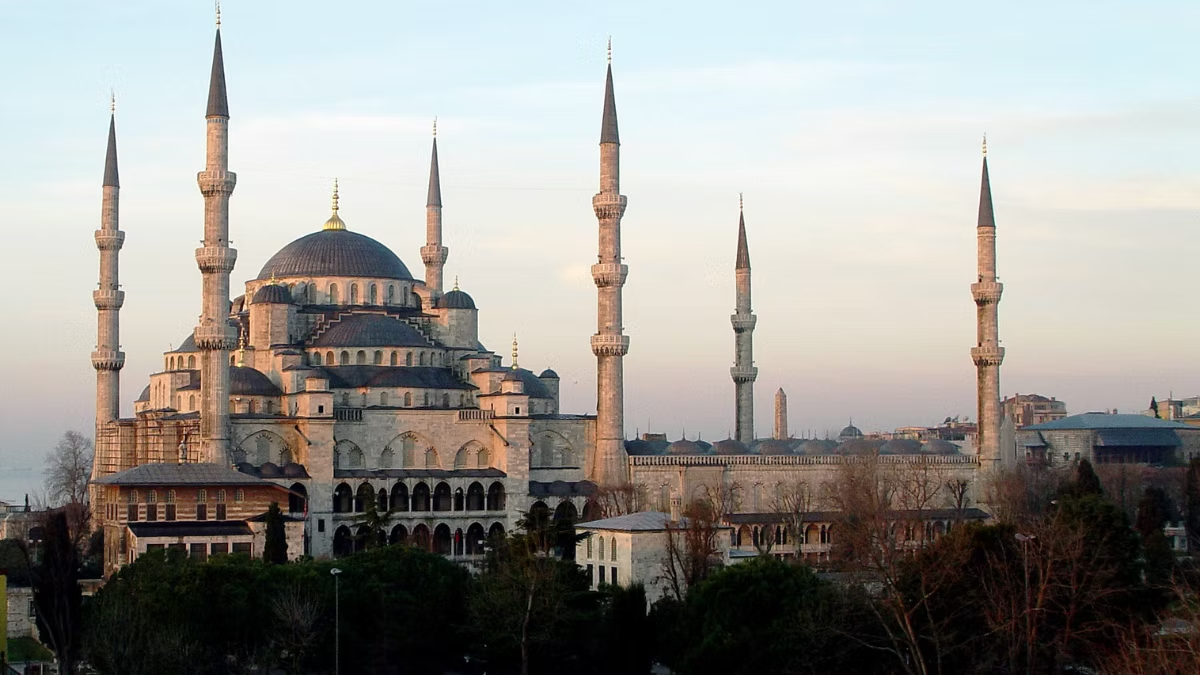
History
From Sultan Ahmed I’s ambitious 1609 commission to the modern restoration — four centuries of the Blue Mosque’s remarkable history.
Read guide →
Photo Guide
Best spots, lighting windows, and rules around photography — from the cascading dome system to the stained-glass windows that colour the interior.
Read guide →How to Choose What to See
A quick guide based on your interests and visit style.
If you have limited time
- Head straight to the main prayer hall for the Iznik tiles and domes
- Look up at the central dome and cascading semi-domes — see the architecture guide
- Notice the stained glass windows and calligraphy panels
- The interior can be appreciated in 20–30 minutes — see visitor tips
If you want deep context
- Book a guided tour for expert commentary on every major feature
- Allocate 2 hours for a combo tour with Hagia Sophia
- Ask your guide about the history of the six minarets
- The tilework and calligraphy have layers of meaning a guide can unlock
If you are visiting with children
- Focus on the dramatic domes, colourful tiles, and stained glass
- Keep the visit to 20–30 minutes for younger children
- Explain the shoe removal and dress code as part of the cultural experience
- The courtyard fountain is a good rest stop
If you are a photography enthusiast
- Visit early morning for the best natural light — see the photo guide
- Exterior shots are best from Sultanahmet Square or the park between the mosque and Hagia Sophia
- Interior detail shots of Iznik tiles work well in natural light
- No flash or tripods allowed — check opening hours for the morning quiet window
Continue Exploring the Blue Mosque
Book a tour and plan the practical details of your visit.
Tickets & Tours
Compare guided tours, combo packages, and private tour options.
Explore tour options →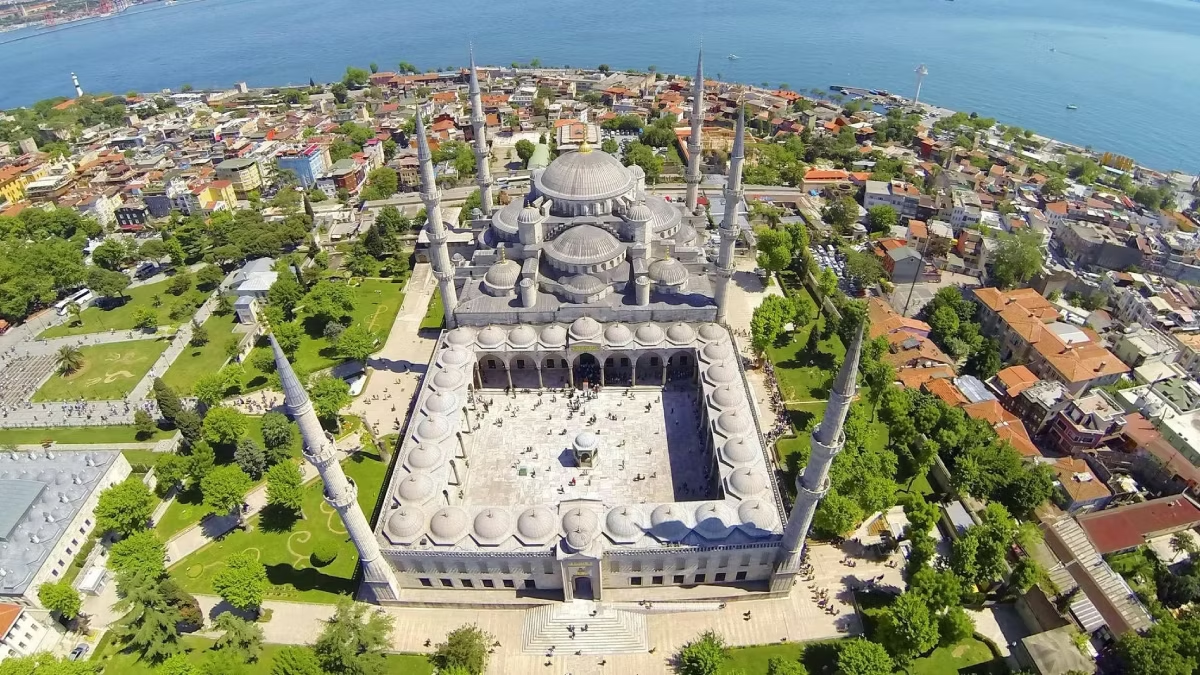
Plan Your Visit
Opening hours, dress code, prayer times, and how to get there.
Explore planning guides →Frequently Asked Questions
Common questions about what to see and prioritise at the Blue Mosque.